It might sound obvious, but not all moves are the same. In fact, moves can generally be broken down into two separate types: either short or long distance.Short moves are generally when you’re only moving locally, within the same city, municipality, or area. Whereas, it will be considered a long distance move when the distance between the current home and the destination is 100 miles or more.
Also, long distance moves sometimes take you across state lines, which makes it an interstate move. While on the other hand, a long distance move, which does not cross any borders, is referred to as an intrastate move.Knowing the difference between types of moves is important because it can help you determine how to prepare for your move.T
To truly ensure a smooth transition, comprehensive planning is key, especially when dealing with the complexities of long-distance or cross-state relocations. For those embarking on such a journey, finding reliable resources that offer detailed guides, packing tips, and comprehensive checklists can be invaluable.
A well-prepared move, whether local or involving an interstate removalist, benefits greatly from accessible information covering every stage, from initial preparation to settling into your new home. These resources aim to alleviate stress and provide actionable steps, making the entire process as seamless as possible.
If you’re planning a long distance move, you might want to consider hiring a long distance mover, such as applemoving.com to help you out.
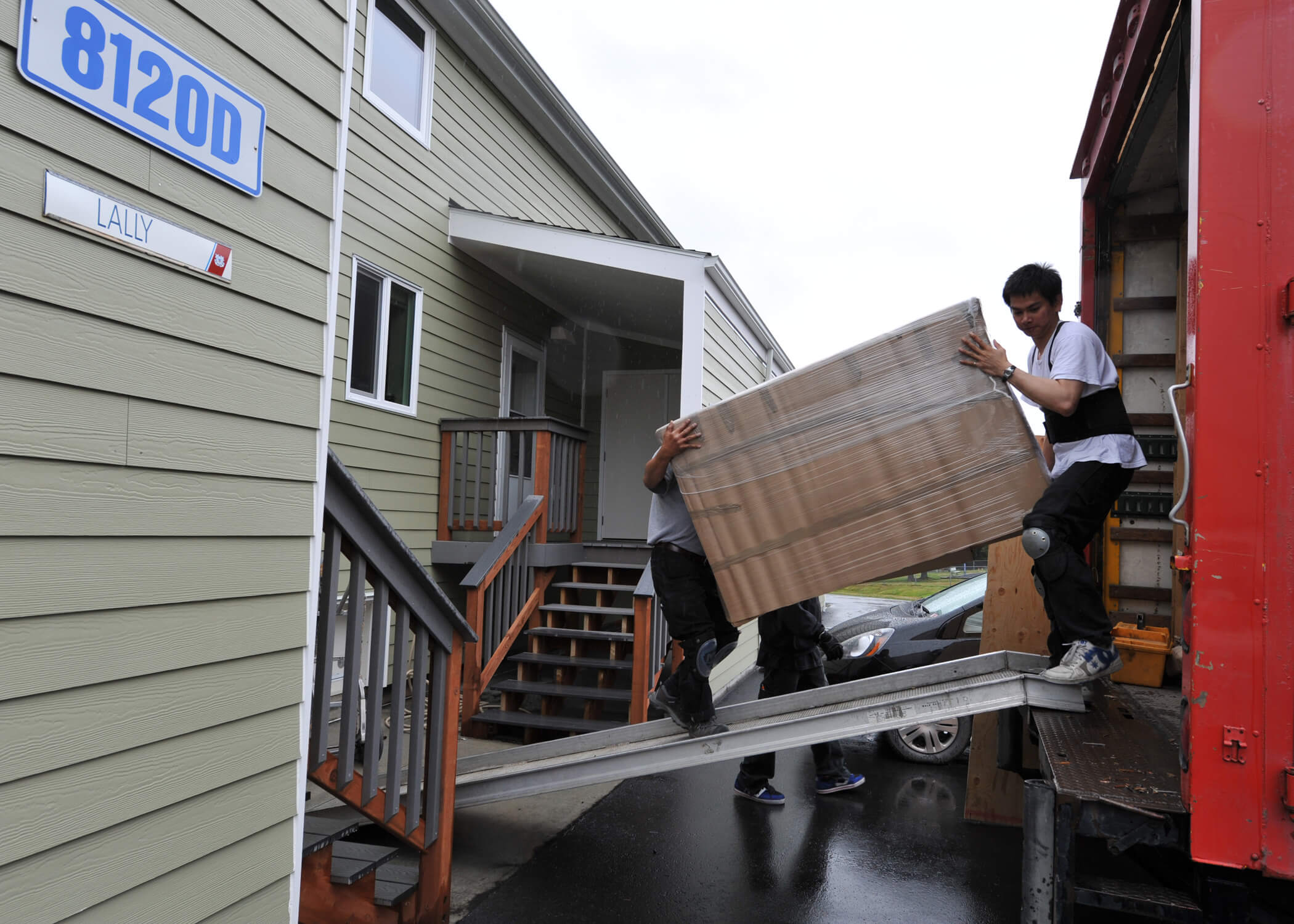
Getting Estimates from Long Distance Movers
If your moving company has determined your move to be a long distance move, then they will likely charge you a flat fee based on weight, instead of the time it will take to move you and your belongings from one place to another.
In this case, you’re going to want to get rid of anything that you don’t necessarily need or want. Then, once you’ve discarded all unnecessary items, it’s time to contact a moving company to come in and give you an estimate based on the contents of your home.
Nevertheless, some moving companies might suggest an estimate based on the time that it will take to conduct your move, as well as an extra fee to cover mileage and fuel surcharges. This is significantly less common than an estimate based on weight, however, it’s a way for companies to charge more in the event that the trip takes longer than expected.
If you’ve gotten an estimate based on the length of time, make sure to ask for an estimate of how long it will take, as well as what other charges will be included in the price. Also, be sure to get this in writing to protect yourself if the company tries to change the cost on you last minute.
Regardless, it’s recommended to hire a long distance mover who charges based on weight, rather than time or distance.
Finding a Long Distance Mover
As we’ve mentioned, you’re going to need to figure out what type of move you’re making, whether it’s interstate or intrastate. Both types of moves will be regulated differently, therefore, knowing the regulations required for your move should be one of your first criterion when it comes to hiring a moving company.
All interstate moves are regulated by the FMCSA, or Federal Motor Carrier Association, and are therefore, required to follow very specific rules. When looking for a long distance mover, it’s a good idea to find companies that are in compliance with all FMCSA regulations.
You can use this handy tool to find out if your long distance moving company is properly registered with the U.S. Department of Transportation .
On the other hand, if you’re making an intrastate move, it’s important to check your state’s regulations and check that the moving company you’re considering is in compliance with them.
Knowing your state’s laws and regulations will help you research moving companies and find the most reputable companies to hire.
Third-Party Moving Companies
Before hiring a long distance mover, it’s also a good idea to understand that some companies might hire a third-party mover to conduct a portion of your move. This means that the moving truck that collects your belongings might not be the same one that delivers it to your new home.
That being said, it’s important to ask your moving company if they ever contract third-party movers to conduct parts of their moves. If so, be sure to ask who these companies are so that you can research them along with the larger moving company at the same time.
In most cases, the third-party mover will be a smaller local company that will be used to deliver your belonging only within certain territories or jurisdictions.
While most third-party moving companies will be insured and in compliance with local laws, it’s important to be informed about who they are to avoid any unexpected problems during your move.
You can find more tips and recommendations on moving in the FMCSA’s moving checklist.