
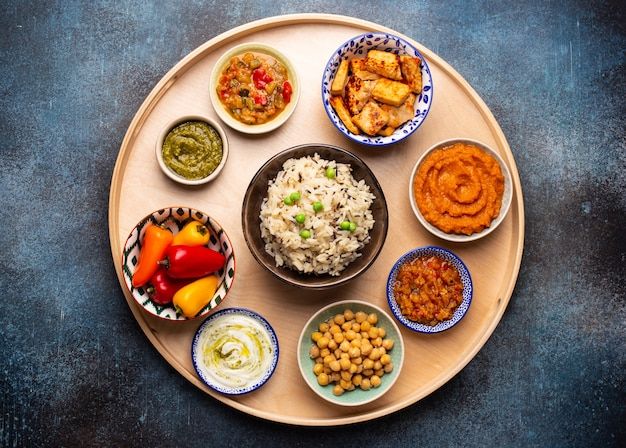
If you walk into any Indian kitchen, you’ll realize we’ve been “plant-based” long before it became a global trend. From the comforting dal-chawal of the North to the vibrant avial of the South, our culinary heritage is a goldmine for anyone looking to ditch meat and dairy. 🇮🇳✨
But let’s be honest: in a world of expensive “mock meats,” fancy almond milks, and imported avocados, the idea of a plant-based lifestyle can feel like a luxury. You might be asking, “Can I really sustain a plant-based diet on an Indian budget without spending hours in the kitchen?”
The answer is a resounding YES. 🚀
In this guide, we’re stripping away the “fancy” labels and getting back to basics. We’ll explore how to navigate a plant-based lifestyle in India, why it’s a powerhouse for your health, and the ultimate meal prep hacks to keep your wallet full and your stomach happy.
What Exactly is Plant-Based Living? 🧐
At its core, a plant-based diet focuses on foods derived primarily from plants. This includes not just fruits and vegetables, but also nuts, seeds, whole grains, and legumes.
In India, the transition is often easier because a huge portion of our population is already vegetarian. However, the shift to “plant-based” or “vegan” involves one more step: moving away from dairy products like ghee, paneer, and curd. While that might sound intimidating (especially if you love your chai!), the variety of alternatives available today makes it simpler than ever. 🥛➡️🌱
Why Go Plant-Based? The Benefits 🌈
Switching to a plant-based lifestyle isn’t just a “trend”—it’s a major upgrade for your body and the planet.
- Heart Health: Plant-based diets are naturally low in cholesterol and saturated fats, significantly reducing the risk of heart disease. ❤️
- Weight Management: High-fiber foods like lentils and millets keep you full for longer, helping you manage weight without “starving.” ⚖️
- Sustainable Living: Producing plant-based food uses significantly less water and land than animal farming. By choosing plants, you’re making an eco-friendly choice for India’s future. 🌍🌳
- Digestive Ease: The high fiber content in an Indian plant-based diet (hello, sabzis and dals!) works wonders for your gut health.
The Challenge: Debunking the “Expensive” Myth 🚧💰
One of the biggest hurdles for Indians going plant-based is the perception that it’s costly. If you buy imported vegan cheese or pre-packaged soy nuggets every day, your bill will skyrocket.
The reality? The cheapest foods in any Indian market—lentils, seasonal vegetables, rice, and millets—are the literal foundation of a plant-based diet. The challenge isn’t the cost; it’s the planning.
Affordable Meal Prep Tips for the Indian Kitchen 🛠️🍱
Meal prep is your secret weapon. It saves you from the “order-in” temptation on a busy Tuesday night. Here is how to do it the Indian way:
1. Embrace the “Master Curry Base” 🍛
Spend Sunday afternoon making a large batch of the “Indian Trinity”: sautéed onions, ginger-garlic paste, and tomato puree with basic spices (haldi, dhaniya, chili powder).
- How to use it: Store this in the fridge. On weekdays, just add boiled chickpeas, sautéed veggies, or soy chunks to a portion of this base. Dinner is ready in 10 minutes!
2. The Power of “Batch Boiling” 🥘
Don’t just boil enough Rajma or Chole for one meal. Soak and pressure cook large quantities of different legumes.
- Storage: Keep them in airtight containers. You can use them for curries, toss them into salads, or mash them into paratha fillings.
3. Seasonal is King 🌽🥬
Stop looking for kale and blueberries. India has incredible local “superfoods.”
- Winter: Load up on spinach (palak), mustard greens (sarson), and carrots.
- Summer: Embrace gourds (lauki, turai) and water-rich veggies. Buying seasonal produce from your local sabzi mandi is significantly cheaper and fresher than buying from high-end supermarkets.
4. DIY Plant-Based Milks 🥛🥜
Store-bought almond or oat milk can cost ₹300 per liter. You can make Peanut Milk or Coconut Milk at home for a fraction of that price.
- Peanut Milk: Soak peanuts, blend with water, and strain. It’s creamy, rich in protein, and works great in spicy gravies or even your morning coffee. ☕
5. Don’t Ignore Millets 🌾✨
Before rice and wheat took over, India was the land of millets. Ragi, Bajra, and Jowar are nutrient powerhouses. They are gluten-free, cheap, and have a low glycemic index, making them perfect for long-term health.
A Sample 3-Day Plant-Based Indian Menu 📋🍴
- Day 1: * Breakfast: Vegetable Poha with lots of peanuts.
- Lunch: Dal Tadka with Brown Rice and a side of Cabbage Sabzi.
- Dinner: Chickpea (Chole) Salad with cucumber, tomatoes, and lemon dressing.
- Day 2: * Breakfast: Moong Dal Chilla (savory pancakes) with green chutney.
- Lunch: Soy Chunk Curry with Whole Wheat Rotis (use oil instead of ghee).
- Dinner: Millet Khichdi with lots of mixed vegetables.
- Day 3: * Breakfast: Oats Upma with seasonal veggies.
- Lunch: Rajma Chawal with a big bowl of onion and tomato salad.
- Dinner: Tofu Bhurji (Indian style) with multi-grain toast.
Future Trends: The Green Revolution in India 🔮
We are seeing a massive surge in Smart Protein. Startups across India are now creating “Meat-Like” textures using jackfruit and chickpeas. Furthermore, the rise of “Green Home Loans” and eco-conscious living is making the plant-based lifestyle a status symbol of health and awareness.
We’re also moving toward Hyper-Local Eating. People are rediscovering ancient grains and foraging for regional greens that were forgotten for decades. The future of Indian food is definitely green! 🌿📈
Conclusion: Small Steps, Big Impact 🏁🌟
Transitioning to a plant-based lifestyle in India doesn’t require a lifestyle overhaul or a massive bank balance. It’s about returning to our roots—literally. By focusing on whole foods, prepping your bases in advance, and shopping locally, you can enjoy a diet that’s as kind to your body as it is to your wallet.
Remember, you don’t have to be “perfectly vegan” overnight. Start by swapping one meal a day, or try “Meatless Mondays.” Every plant-based meal you prep is a win for your health and the environment.
So, head to the kitchen, soak those lentils, and start your journey toward a vibrant, plant-powered life today! 🇮🇳❤️🥄