
In the high-speed world of technology, your ability to write clean code, architect robust systems, or manage complex databases is your ticket to the game. But as the landscape of work shifts toward more collaborative, cross-functional, and AI-driven environments, technical prowess alone isn’t enough to help you win.
Have you ever seen a brilliant developer struggle to explain their vision to a client? Or a data scientist get frustrated because their insights were ignored by the marketing team? That’s where the “Soft Skill Gap” becomes a career bottleneck. 🛑
Soft skills—often referred to as “Power Skills”—are the interpersonal, cognitive, and social abilities that determine how you work. They are the human touch that AI cannot replicate and the glue that holds a high-performing tech team together. In fact, research frequently shows that long-term career success is driven more by these human-centric abilities than by technical certifications alone.
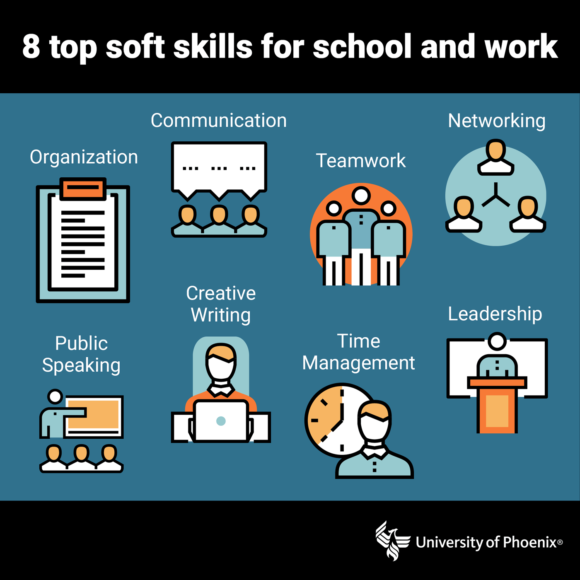
In this guide, we’re breaking down the top 10 soft skills you need to not just get hired, but to thrive and lead in the modern tech ecosystem. 🌟
What are Soft Skills in a Tech Context? 🧐
In the past, tech roles were often “siloed.” You sat in a room, wrote your code, and pushed it to production. Today, the “lone wolf” developer is a myth. 🐺➡️🤝
Modern tech professionals are deeply involved in business decision-making. Whether you are building an app or securing a cloud network, you are solving human problems. Soft skills are the tools you use to navigate those human interactions. They include everything from how you handle a bug in a high-pressure situation to how you negotiate your salary or mentor a junior peer.
The Top 10 Soft Skills for Tech Survival 🏆
1. Communication (The “Translator” Skill) 🗣️📢
The most in-demand soft skill, bar none, is communication. In tech, this means being a “bilingual” translator—someone who can speak “Computer” with the engineers and “Human” with the stakeholders.
- Why it matters: If you can’t explain why a certain feature is taking longer to build, you lose trust.
- Pro-Tip: Practice “The ELI5 Method” (Explain Like I’m Five). If you can’t explain your architecture to a non-tech manager in three sentences, you don’t understand it well enough.
2. Empathy (User-Centric Thinking) ❤️📱
Empathy isn’t just about being “nice”; it’s a critical design and development tool. It’s the ability to put yourself in the shoes of the end user who is frustrated with your interface.
- Why it matters: Empathy leads to better products. When you understand the user’s pain, you build features that solve it, rather than features that are just “cool.”
3. Adaptability & Flexibility 🦎🔄
In tech, the only constant is change. A framework that is “industry standard” today might be obsolete by next year.
- Why it matters: Adaptability is your shield against burnout. When a project pivot happens or a deadline moves, the flexible professional stays calm while others panic.
4. Critical Thinking & Problem Solving 🧠🔍
Coding is 10% typing and 90% problem-solving. Critical thinking is the ability to look at a bug and ask “Why?” instead of just patching the symptom.
- Why it matters: It keeps you from making the same mistake twice. A critical thinker looks at the root cause and builds a sustainable fix.
5. Collaboration & Teamwork 🍕🤝
Great software is a team sport. Whether it’s pair-programming or navigating a “Merge Conflict” in Git, your ability to work with others determines the project’s velocity.
- Why it matters: No one person can build a modern enterprise system alone. Being a “valuable team player” means supporting your peers when they are stuck and celebrating collective wins.
6. Time Management & Prioritization ⏳⚖️
With “Agile” sprints and constant Jira tickets, it’s easy to feel overwhelmed.
- Why it matters: Not all tasks are created equal. Time management is the art of saying “No” to low-impact tasks so you can say “Yes” to the ones that move the needle.
- Pro-Tip: Use the Eisenhower Matrix to categorize your tasks into Urgent vs. Important.
7. Emotional Intelligence (EQ) 🌊🧘♂️
EQ is the ability to recognize and manage your own emotions and those of your team. High-stakes deployments and 2:00 AM server crashes require a cool head.
- Why it matters: Leaders with high EQ create a “Psychologically Safe” environment where people aren’t afraid to admit mistakes, leading to faster innovation.
8. Resilience (The “Bounce Back” Factor) 🛡️🧨
Your code will fail. Your server will crash. Your client will change their mind. Resilience is the grit to stay optimistic and keep digging for the solution.
- Why it matters: Perseverance is what separates the seniors from the juniors. The ability to stay focused during a “crunch” period is a superpower.
9. Active Learning & Curiosity 📚✨
The “half-life” of a tech skill is roughly 2.5 years. If you stop learning, you become a dinosaur.
- Why it matters: Curiosity drives you to explore new libraries, attend meetups, and experiment with side projects. This “continuous learning” mindset ensures you are always in demand.
10. Leadership (Even Without the Title) 👑🌱
You don’t need “Manager” in your signature to be a leader. Taking ownership of a bug, mentoring a new hire, or proposing a better workflow are all acts of leadership.
- Why it matters: Companies promote those who show initiative. By leading from where you are, you prove you are ready for the next level.
The Benefits: Why Should You Invest in These? 🌈📈
- Faster Promotions: Tech professionals with at least one strong soft skill are often promoted 10–15% faster than their peers. 🚀
- Higher Salary: Negotiation is a soft skill! Being able to articulate your value leads to better pay.
- Reduced Stress: Better communication and time management lead to a more balanced work-life harmony.
- Future-Proofing: While AI can write code and analyze data, it cannot empathize, lead a team, or handle a sensitive client conflict. These skills are your “AI-proof” insurance policy. 🛡️🤖
Challenges in Developing Soft Skills 🚧🧠
Let’s be honest: learning Python is often easier than learning how to give “Constructive Feedback.”
- Measuring Progress: There is no “unit test” for empathy. You have to rely on feedback from your peers and managers.
- Comfort Zones: Many techies are introverts who find “networking” or “presenting” exhausting.
- The “Soft” Label: The name “soft skills” makes them sound optional or easy. They are neither. They are often the hardest skills to master.
Future Trends: Soft Skills in the Age of AI 🔮
As generative AI takes over the “heavy lifting” of coding and documentation, the role of the human tech professional is shifting toward Orchestration and Governance.
We will see a greater focus on Ethical Decision-Making. AI doesn’t have a moral compass; it’s up to the humans to decide if an algorithm is biased or if a data practice is unethical. In the future, your “Human Judgment” will be your most expensive and valuable asset. 💎⚖️
Conclusion: Upgrading Your Internal Operating System 🏁🌟
Technical skills get you the interview, but soft skills get you the job—and keep you there. By treating these 10 skills as a core part of your “Tech Stack,” you are building a career that is resilient, rewarding, and future-proof.
You don’t have to master them all at once. Start by picking one—maybe “Active Listening” or “Time Management”—and practice it intentionally this week. Your team (and your future self) will thank you.
Ready to level up? The journey from “Coder” to “Leader” starts with the human side of the screen. 💻➡️❤️